We are processing your request.
Please, don’t close or refresh the page.

Woodland Park Zoo Animals: A Zone-by-Zone Guide

Which animals live where at Seattle’s 92-acre zoo, from jaguars and gorillas in the rain forest to brown bears and lynx on the Living Northwest Trail.

Visit

Every zone in this guide is included with general zoo admission: Woodland Park Zoo tickets.

Location

5500 Phinney Ave. N., Seattle, WA 98103, in Phinney Ridge. Address and directions.

Opening hours

Open every day except December 25. Woodland Park Zoo opening hours.

Key fact

Around 900 animals from about 250 species live on 92 acres.

Woodland Park Zoo is laid out by habitat rather than by animal type, so the animals you meet depend on which zone you walk into. Gorillas and jaguars share the Tropical Rain Forest, giraffes and lions sit on the African Savanna, and brown bears, wolves and lynx live on the Living Northwest Trail, the zone that replaced the former Northern Trail.

Around 900 animals from about 250 species live across the 92 acres, which makes a little planning worthwhile. This guide walks through each zone, names the animals the zoo lists there, and suggests an order that keeps backtracking to a minimum. For entrances, food and rentals, see our Woodland Park Zoo visitor guide.

4.4
(172)

Woodland Park Zoo: Skip The Line

Highlights

Gain faster admission by skipping the queue at the West Gate.

Experience live talks from animal keepers.

Explore the Family Farm Contact Area.

Visit seasonal Ambassador Animals Program.

Discover Molbak’s Butterfly Garden.

Woodland Park Zoo animals: key facts

The zoo covers 92 acres in Phinney Ridge and holds around 900 animals from about 250 species.

It began as a small menagerie on the estate of Guy C. Phinney; the city bought Woodland Park in 1899.

Exhibits are grouped into zones such as Tropical Rain Forest, African Savanna, Tropical Asia, Australasia, Temperate Forest and the Living Northwest Trail.

The Living Northwest Trail, formerly the Northern Trail, is home to brown bears, gray wolves, river otters and Canada lynx.

The zoo is a member of the Association of Zoos and Aquariums (AZA) and has won more than 65 awards.

Plan for at least two hours; seeing every zone takes most of a day.

Tropical Rain Forest: gorillas, jaguars and lemurs
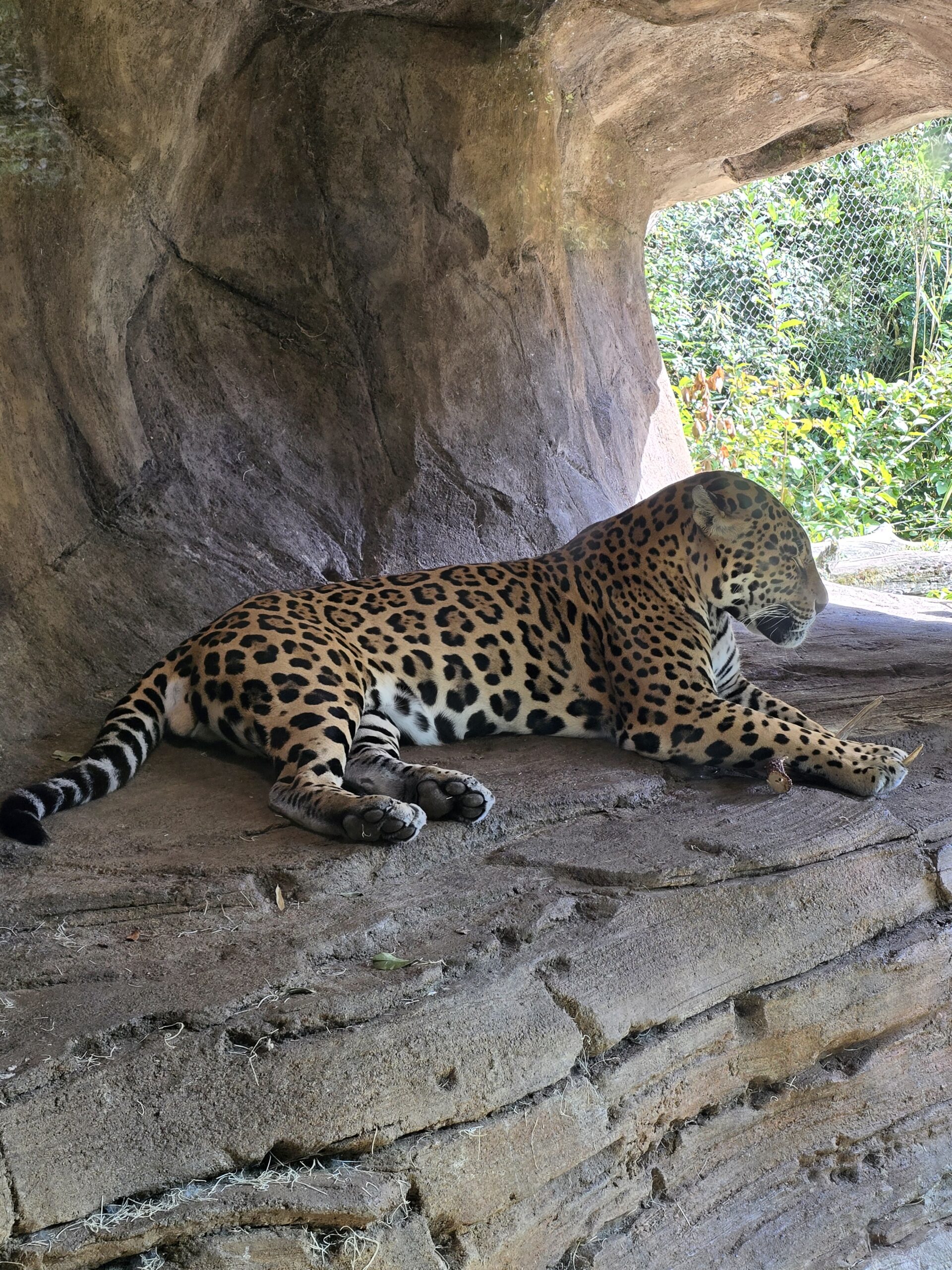
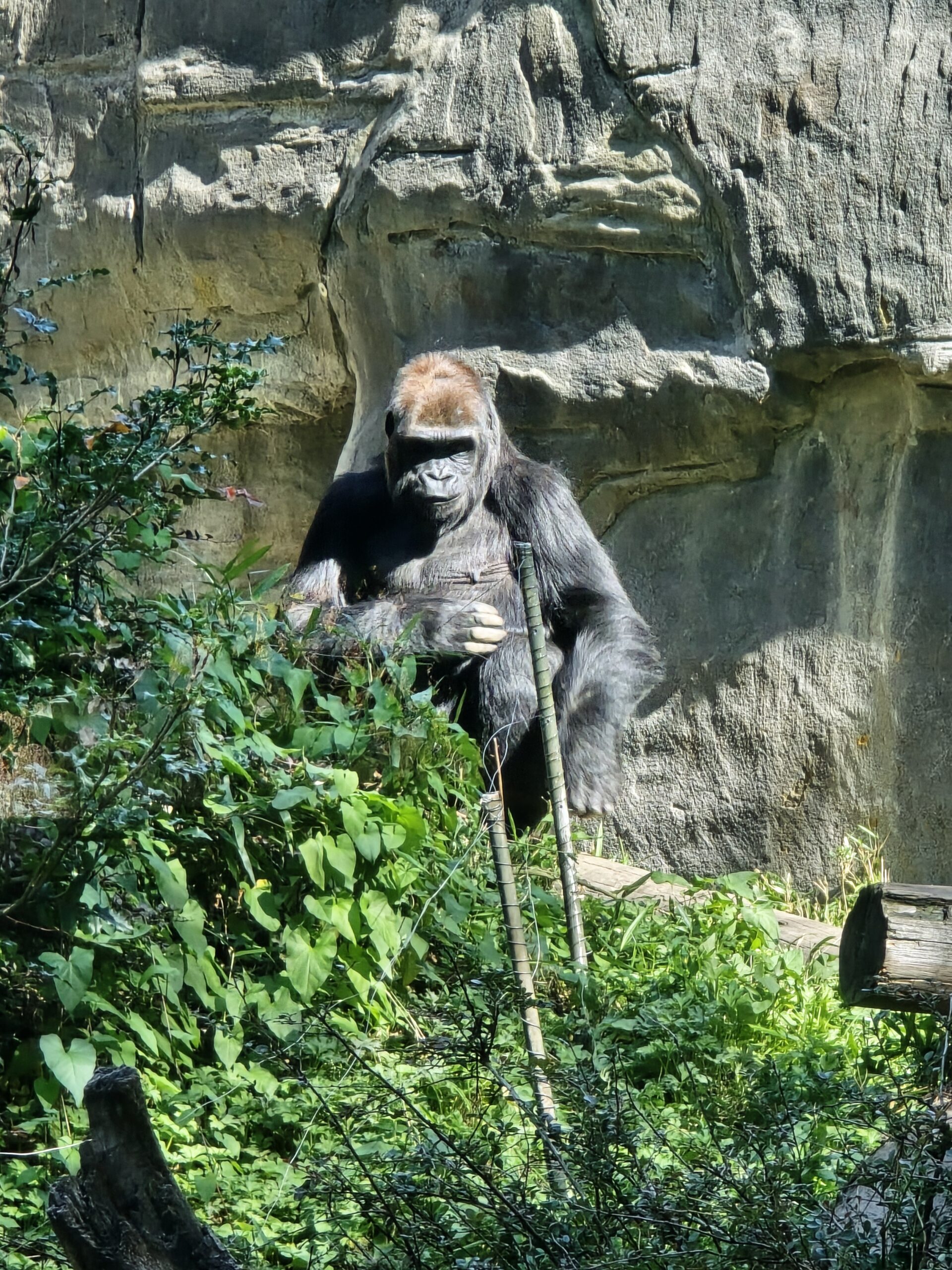
  • The Tropical Rain Forest recreates forests of South America and Africa. Outdoors you will find western lowland gorillas, jaguars in Jaguar Cove, ring-tailed and red ruffed lemurs, and colobus monkeys.

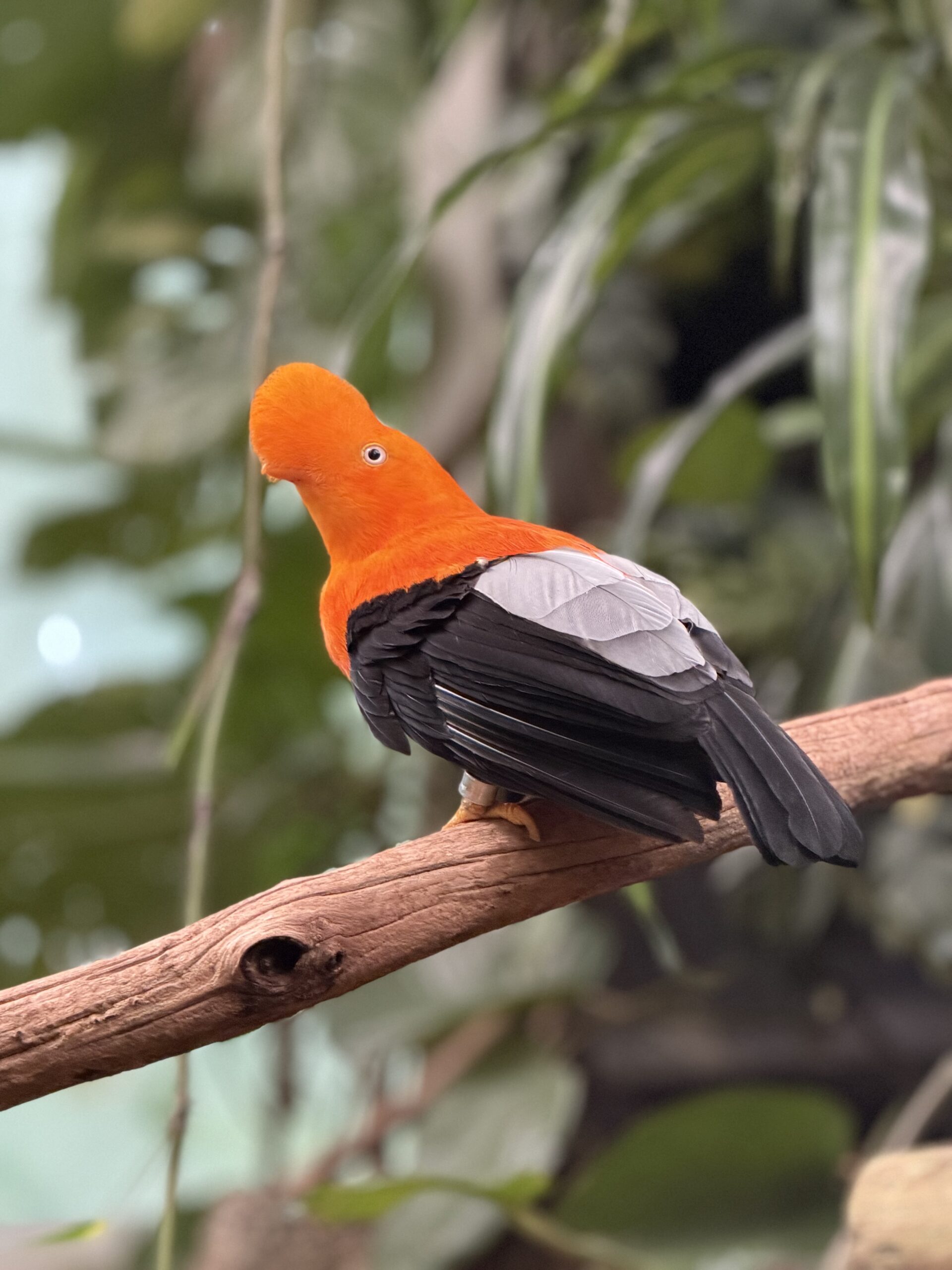
    Inside the indoor rain forest dome, the zoo keeps South American birds, snakes and poison dart frogs. The dome is warm and humid year-round, which makes it a good stop on a cold or wet Seattle day. Other rain forest species on the zoo’s list include golden lion tamarins, saki monkeys, toucans, a yellow anaconda and tarantulas.

    The zone won an AZA exhibit award in 1993. Animals here have places to hide, so if the gorillas are out of sight, staff and volunteers nearby can point you to the best viewing spot.

African Savanna: giraffes, zebras and lions
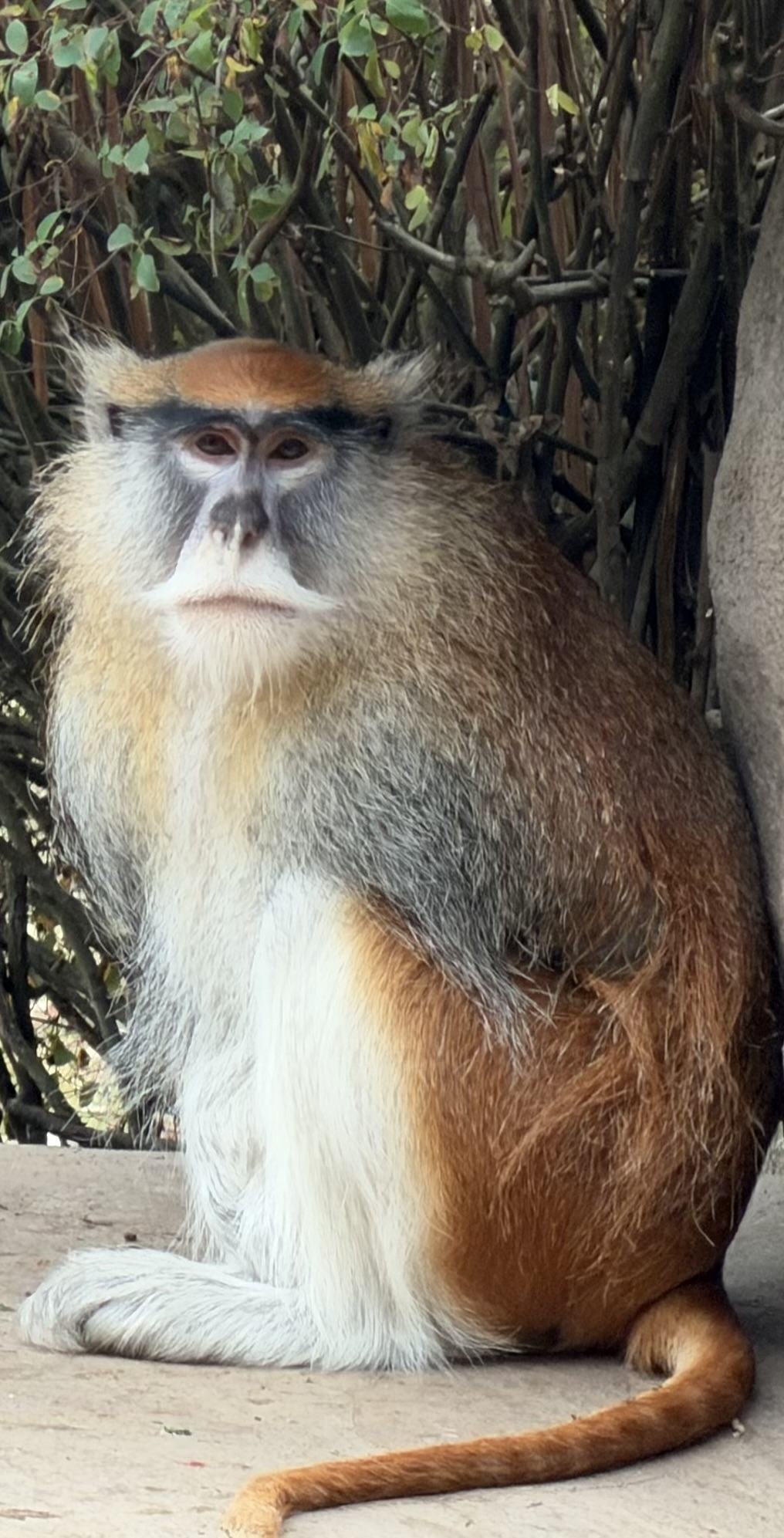
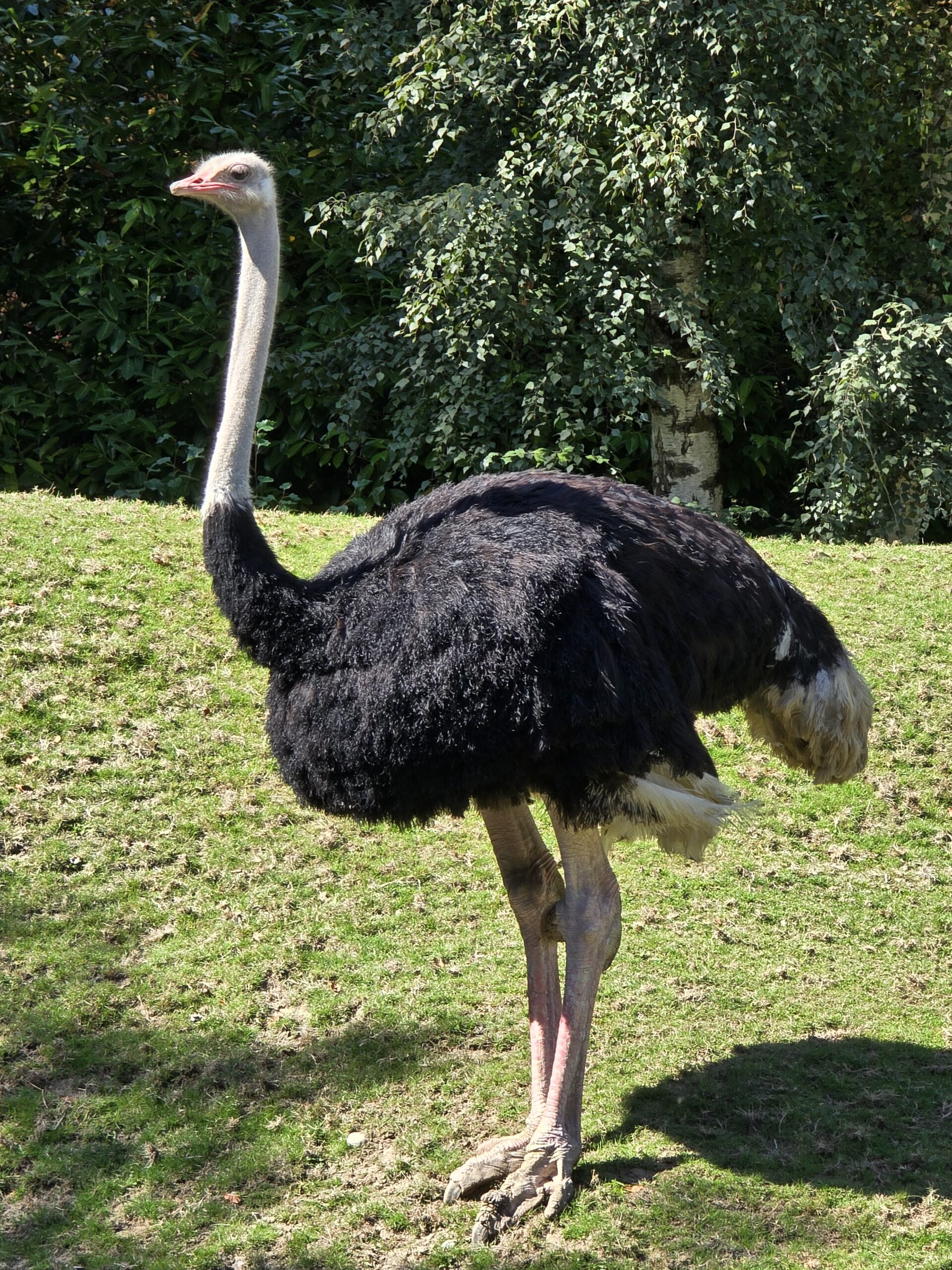
  • The African Savanna sits next to the South Entrance and is built around the grasslands of East Africa. The zoo lists giraffes, zebras, ostriches, African lions and patas monkeys in this zone.

    The largest yard is a mixed herbivore area where giraffes, zebras and ostriches share the space, so you can watch several species from one viewpoint. Lions have their own habitat along the loop, and the patas monkeys complete the list for this zone.

    The savanna exhibit received an AZA award in 1981, one of the earliest of the zoo’s many exhibit honors. If you enter by the South Entrance, this is the natural first stop.

Tropical Asia: tigers, orangutans and a rhino

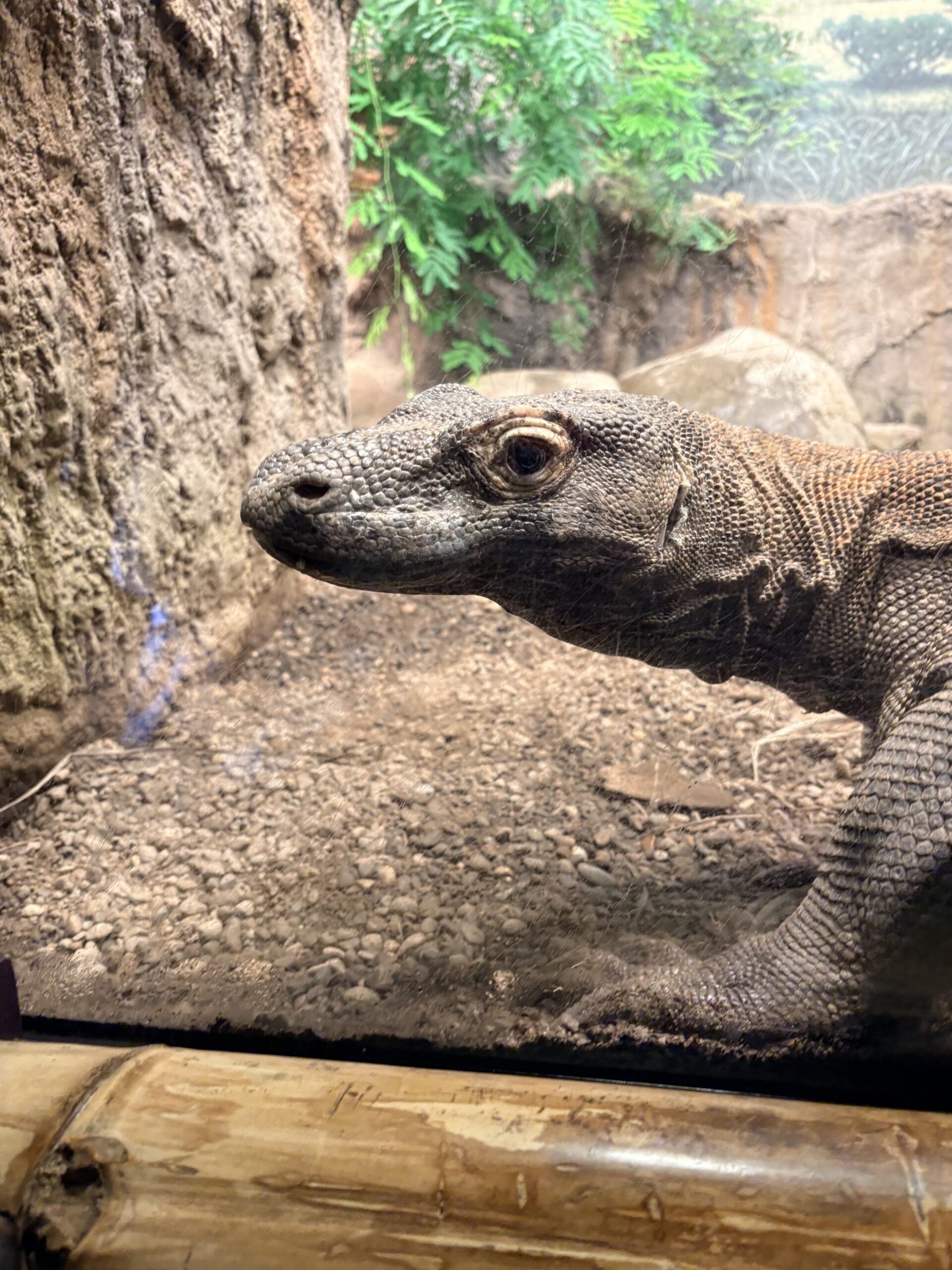
Tropical Asia is the zoo’s largest section and is split into three areas. On the Trail of Vines you will find orangutans and siamangs; the zoo cares for both Sumatran and Bornean orangutans, which are critically endangered in the wild.

Banyan Wilds continues along the main loop path with Malayan tigers, sloth bears and Asian small-clawed otters, plus a variety of birds. Visayan warty pigs are also on the zone’s animal list.

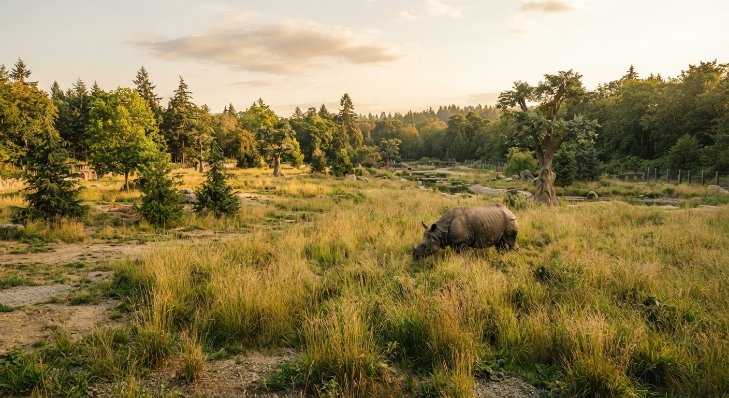
The third area is the Assam Rhino Reserve, which opened for rhinoceros in May 2018 in the space that was once Elephant Forest. It is home to a greater one-horned (Indian) rhinoceros.

Living Northwest Trail: brown bears, wolves and lynx

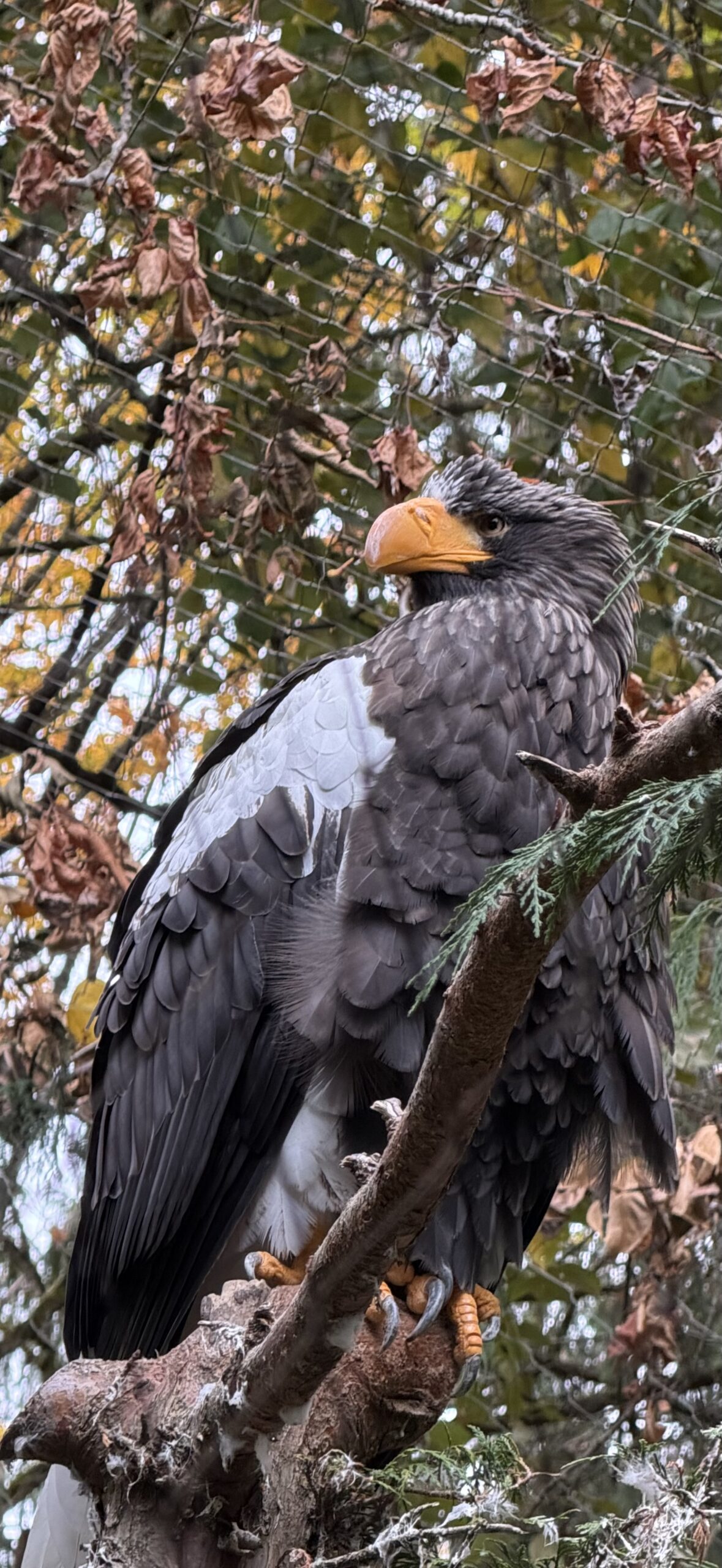
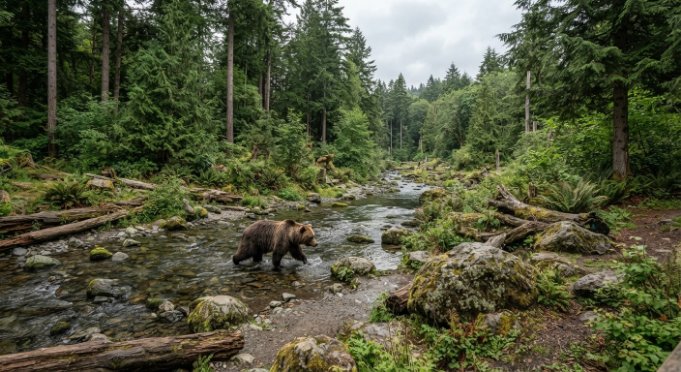
The Living Northwest Trail reimagines the former Northern Trail and focuses on wildlife from this part of the world. It is home to brown bears, gray wolves, river otters and Canada lynx, with elk among the other local species.

The Pigott Family Lynx Exhibit is new to the trail and gives a close look at a carnivore that is rarely seen in the Northwest. At Cathy Herzig Basecamp Northwest you can look into the zoo’s conservation lab, where keepers rear endangered western pond turtles each year for release into protected wetlands.

Look for the carved panel along the trail: it was designed by storyteller Roger Fernandes and carved by master carver Toma Villa, and it shows animal symbols from local Indigenous stories.

Australasia, Temperate Forest and the smaller zones

Australasia covers Australia, New Zealand, Papua New Guinea and the South Pacific islands. The zoo lists emus, kookaburras, wallaroos and wallabies here, and the snow leopard habitat sits next to this zone.

The Temperate Forest is the place for red pandas, maned wolves, Chilean flamingos and red-crowned and white-naped cranes. It also holds the Temperate Wetlands, a Conservation Aviary and Bug World, where beetles, tarantulas and scorpions live alongside Partula snails, one of the zoo’s conservation species.

Younger children head for the Family Farm and Animal Contact Area, with goats, sheep, pigs, chickens, donkeys and mini-cows; in summer, visitors can touch a gentle sheep or goat. Other stops on the map include the Humboldt Penguins habitat by the West Entrance, Reptile Realm and the seasonal Butterfly Garden.

Animal-spotting tips for your visit

Entrances: the West Entrance is next to the Humboldt penguins, and the South Entrance opens onto the African Savanna, so let your entrance decide your first zone.

Hiding animals: habitats give animals places to retreat out of view; staff and volunteers can help you find them.

Keeper talks: talks and programs run through the day; the times for each day are on the zoo’s Today at the Zoo schedule.

Maps: map kiosks stand near both entrances and throughout the grounds.

Re-entry: ask for a re-entry slip at the West or South Entrance if you want to leave and return the same day.

Photos: personal photos and video are welcome; professional equipment is not, and paths and windows must stay clear.

Plan a route that covers every zone

From the South Entrance, start on the African Savanna, continue into the Tropical Rain Forest for the gorillas and jaguars, then follow the main loop through Banyan Wilds and the rest of Tropical Asia. Finish with the Living Northwest Trail, the Temperate Forest and the penguins near the West Entrance.

From the West Entrance, reverse the order: penguins first, then the Temperate Forest and the Living Northwest Trail, ending at the savanna. Allow at least two hours, and a full day if you want keeper talks, a carousel ride and a long lunch at 1899 Grove, which is open all day across from Zoomazium.

Hours change with the season, so check our opening hours guide for your date and pick an entry time with the ticket options on this page.

Woodland Park Zoo animals: frequently asked questions

How many animals are at Woodland Park Zoo?

Woodland Park Zoo is home to around 900 animals from about 250 species. They live across 92 acres, grouped into habitat zones such as the Tropical Rain Forest, the African Savanna and Tropical Asia.

Does Woodland Park Zoo have gorillas?

Yes. Western lowland gorillas live in the Tropical Rain Forest zone, alongside jaguars, lemurs and colobus monkeys. If they are out of view, ask a staff member or volunteer where they were last seen.

Are there bears at Woodland Park Zoo?

Yes. Brown bears live on the Living Northwest Trail, together with gray wolves, river otters and Canada lynx. Sloth bears live in the Banyan Wilds area of Tropical Asia.

Does Woodland Park Zoo have tigers and lions?

Yes. Malayan tigers live in Banyan Wilds, part of Tropical Asia. African lions live on the African Savanna, near the South Entrance.

Where are the giraffes at Woodland Park Zoo?

Giraffes live on the African Savanna, in a large mixed yard they share with zebras and ostriches. The South Entrance at 750 N. 50th St. is the closest entrance.

Does Woodland Park Zoo have red pandas?

Yes. Red pandas live in the Temperate Forest zone, in the Wildlife Survival Zone area with maned wolves and Asian cranes. Chilean flamingos live close by, next to the Temperate Wetlands.

Where are the penguins at Woodland Park Zoo?

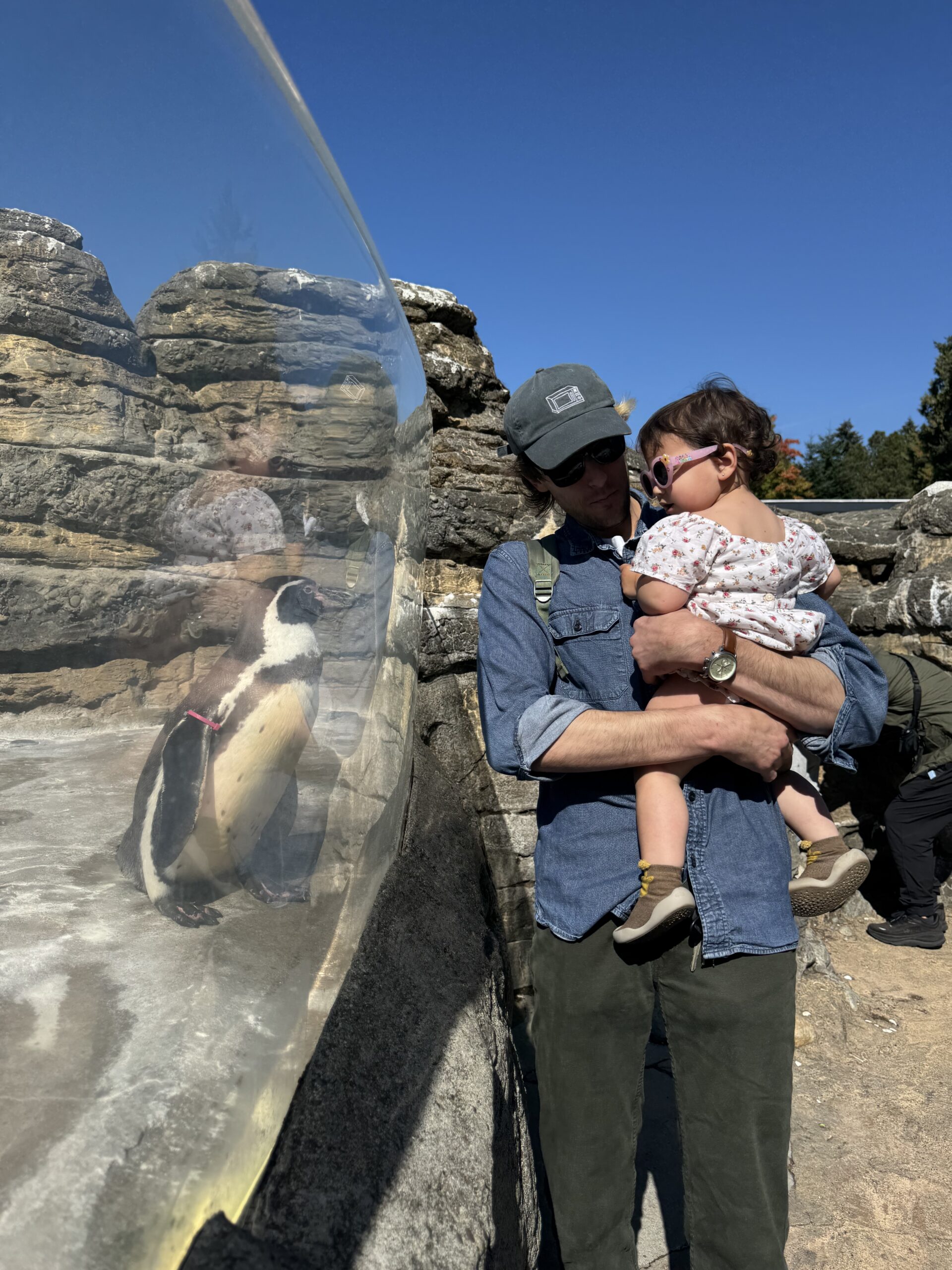
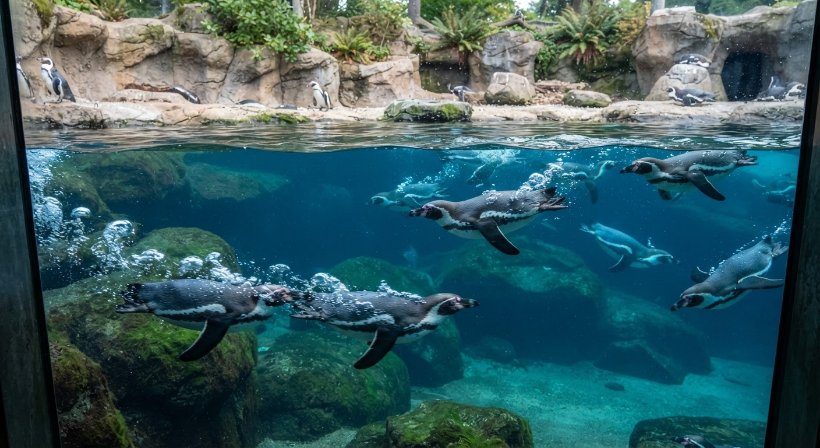
The Humboldt Penguins habitat is next to the West Entrance at 5500 Phinney Ave. N. The exhibit was remodeled in 2009 to add underwater viewing.

Is there a rhino at Woodland Park Zoo?

Yes. The Assam Rhino Reserve in Tropical Asia is home to a greater one-horned rhinoceros. The area opened for rhinos in May 2018.

What happened to the Northern Trail?

The Northern Trail has been reimagined as the Living Northwest Trail. It keeps local favorites such as brown bears, wolves and river otters and adds Canada lynx and a conservation lab for western pond turtles.

Can kids touch animals at Woodland Park Zoo?

In summer, visitors can touch a gentle sheep or goat at the Family Farm and Animal Contact Area in the Temperate Forest zone. The farm also has pigs, chickens, donkeys and mini-cows.

How long does it take to see all the animals?

Plan for at least two hours to see the main zones. Seeing every zone, plus keeper talks and a meal, takes most of a day.

About this guide

Sources: Woodland Park Zoo, Guest FAQ; Woodland Park Zoo, Living Northwest Trail; Woodland Park Zoo, Tropical Rain Forest, African Savanna, Tropical Asia, Australasia and Temperate Forest zone pages; Woodland Park Zoo, Visit; Wikipedia, Woodland Park Zoo.

This website offers official tickets for the venues listed, sold by Tourism Tickets. Please note, however, that it is not the official website of any of these venues.

The images and videos on this website may contain visual elements that have been created or enhanced using AI technology. They are provided for illustrative purposes only.